Heroes Yesterday, Terrorists Today
From Iraq to Gaza to Iran, the line between liberator and terrorist is often drawn by interests, not actions

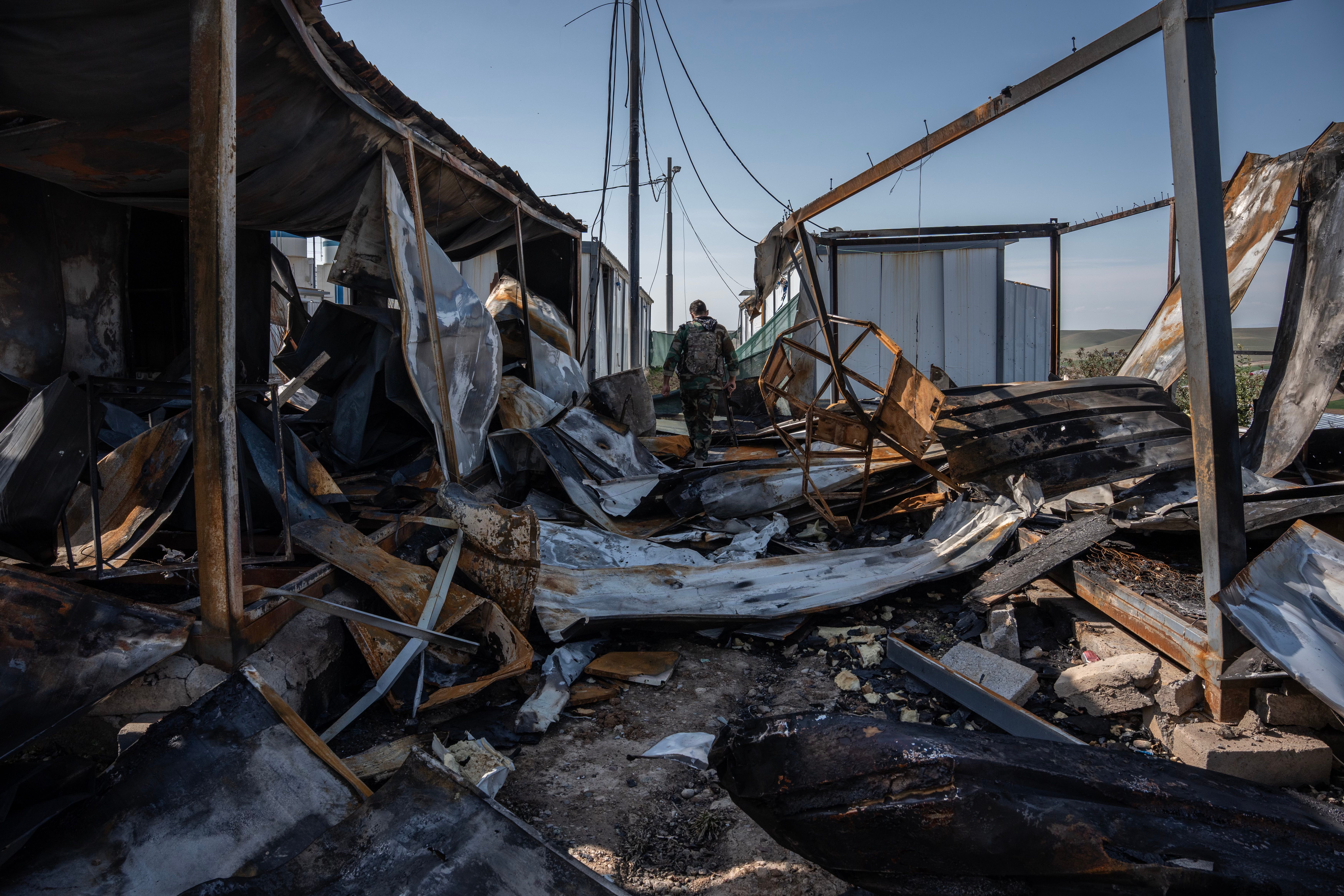
I am covering the war with Iran from Iraq, and what strikes me most is not only the explosions or the tension in the air. It is the strange moral whiplash that war creates.
In war, the characters rarely change. But the labels do.
Not long ago, Shia militias were celebrated across Western media and political circles as the men who helped defeat ISIS. They were the fighters who held the line when ISIS swept across Iraq in 2014. Their sacrifices were framed as heroic, necessary, even noble.
Today, many of those same groups are described primarily as Iranian proxies, destabilizing militias, or terrorists.
The people did not suddenly change overnight. The story did.
The Kurds experienced a similar transformation. When ISIS threatened the region, Kurdish fighters became symbols of courage. Images of Kurdish soldiers circulated globally as proof that local forces could defeat extremism. Western governments armed them, praised them, and broadcast their victories.
Yet only months ago, many of these same groups were suddenly framed as obstacles to regional stability or political problems for their allies.
Again, the fighters remained the same.
Only the narrative moved.
This is one of the quiet truths of war: heroism and villainy often depend less on actions and more on alignment. Who you fight for matters more than what you fight.
The same phenomenon can be seen in the shifting language surrounding Israel and Iran. For months the world has debated Israel’s war in Gaza, with many critics accusing Israel of carrying out what they describe as a genocide. Those accusations dominated global headlines and protests.
Now, in the context of confrontation with Iran, the language shifts again. Israel is framed by some as confronting or dismantling a dangerous regime, while Iran is framed as the primary destabilizing force in the region.
Both narratives exist simultaneously depending on who is telling the story.
None of this means that every side is equally right or equally wrong. War is not morally neutral. Real atrocities happen. Real threats exist. Real victims suffer.
But war also produces a powerful political gravity that pulls moral language into orbit around interests.
Allies become freedom fighters.
Enemies become terrorists.
And the same group can be both within the span of a few years.
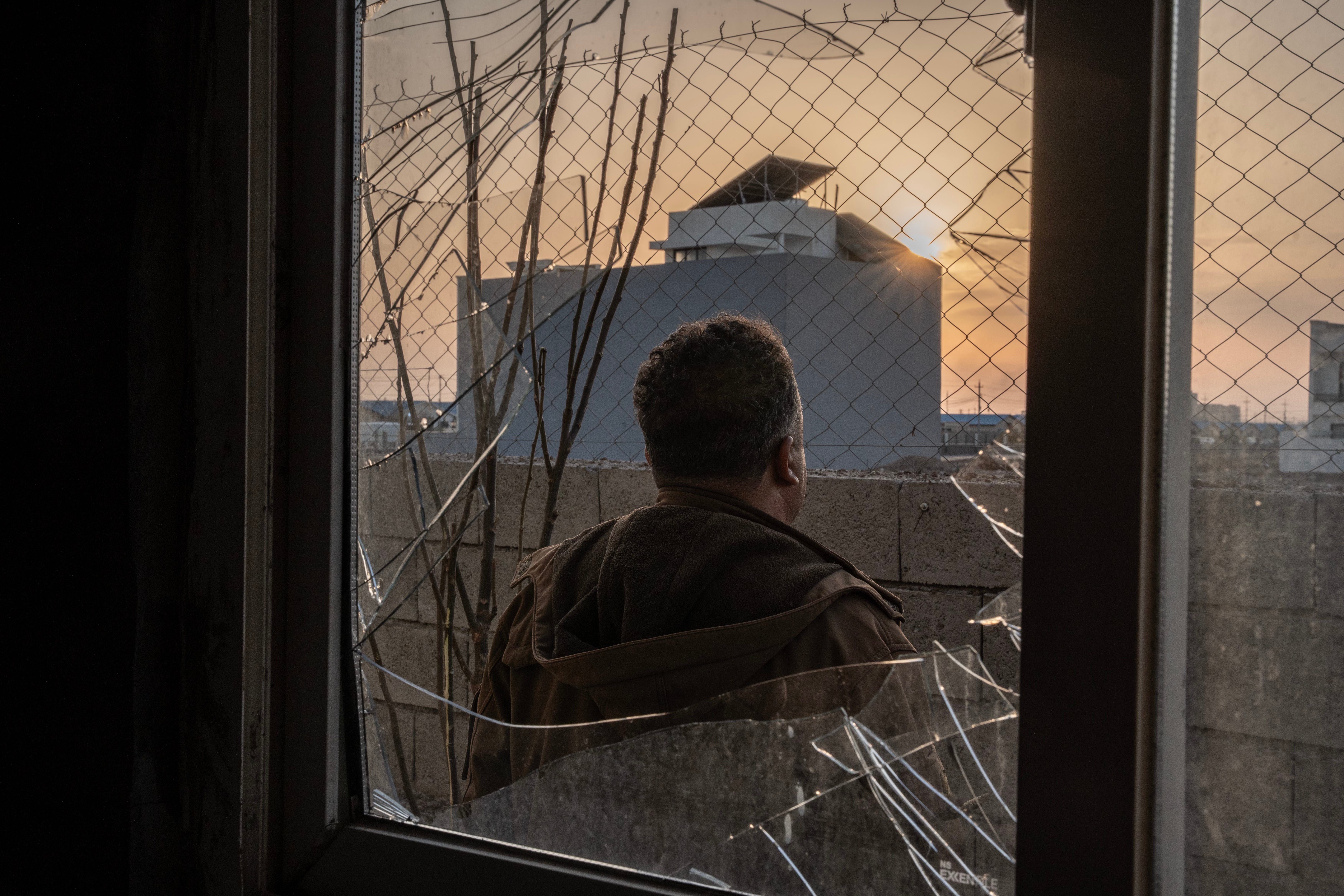
Standing in Iraq, where nearly every major regional conflict of the last twenty years has left a scar, this pattern is impossible to ignore. The people on the ground often remain the same farmers, soldiers, and families caught in forces far larger than themselves.
But the way the world describes them changes constantly.
Perhaps that is one of the most important lessons of war reporting: not just to document what happens, but to watch how the story about what happens keeps changing.
Because in war, the battle over narrative is often nearly as fierce as the battle itself.